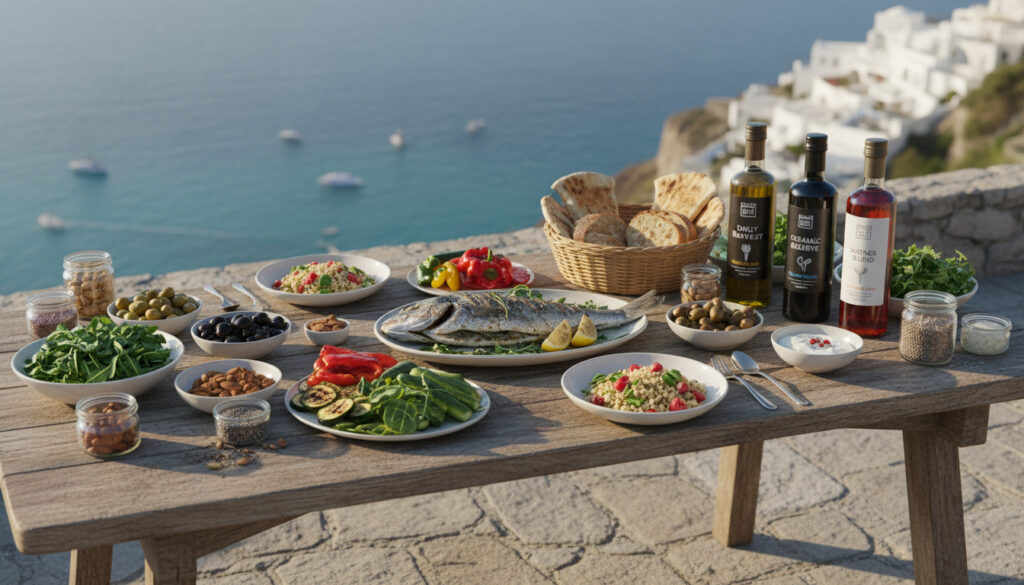
Mediterranean Diet Meal Plan – 7-Day Guide for Beginners
The Mediterranean diet emphasizes whole grains, fresh produce, lean proteins like fish and legumes, healthy fats such as extra virgin olive oil, and moderate dairy. Research consistently links this eating pattern to improved heart health, sustainable weight loss, and reduced risk of chronic diseases. Rather than imposing strict rules or calorie counting, the approach focuses on enjoyable, nutrient-dense meals drawn from culinary traditions of Greece, Italy, and Spain.
A 7-Day Meal Plan for Beginners typically provides approximately 1,500 to 2,000 calories per day through satisfying portions of vegetables, fruits, and whole grains. The flexibility allows adaptation for vegetarians while maintaining core nutritional benefits.
Unlike restrictive fad diets, this lifestyle encourages social eating and seasonal ingredients. Success depends on stocking the right staples rather than following elaborate recipes, making it accessible for newcomers.
What Is a Mediterranean Diet Meal Plan?
A Mediterranean diet meal plan centers on plant-based foods, healthy fats, and moderate consumption of fish and poultry. The structure replaces butter with olive oil, red meat with legumes and seafood, and refined grains with whole alternatives like quinoa, bulgur, and farro.
Fruits, vegetables, whole grains, fish, and extra virgin olive oil form the daily foundation.
Heart health, weight management support, and potential longevity advantages.
Three balanced meals plus two snacks, emphasizing variety and satiety.
1,500–2,000 daily, adjustable based on individual energy needs.
Evidence from the Harvard T.H. Chan School of Public Health indicates that this dietary pattern reduces cardiovascular disease risk through anti-inflammatory compounds found in olive oil, nuts, and fatty fish.
What Foods Should You Prioritize?
Daily consumption should emphasize vegetables including leafy greens, tomatoes, cucumbers, and zucchini; fruits such as berries, apples, and citrus; and whole grains like oats, brown rice, and whole wheat pasta. Protein sources prioritize fatty fish—salmon, sardines, mackerel—and legumes including lentils and chickpeas.
Which Foods Require Moderation?
Poultry, eggs, cheese, and yogurt appear several times weekly rather than daily. Red wine consumption typically stays within one glass daily for women and two for men. Sweets like honey and dates should remain occasional additions.
- The PREDIMED trial demonstrated approximately 30% reduction in cardiovascular events compared to low-fat diets.
- Average weight loss reaches 1–2 pounds weekly without strict portion tracking.
- Olive oil serves as the primary fat source, replacing butter and margarine entirely.
- Legumes provide protein on meatless days, supporting vegetarian adaptations.
- Herbs and spices replace salt for flavoring dishes.
- Meals emphasize social preparation and eating patterns.
- The diet earned top ranking in U.S. News & World Report evaluations.
| Component | Specification |
|---|---|
| Geographic Origin | Crete and Greece, 1960s |
| Primary Fat Source | Extra virgin olive oil |
| Protein emphasis | Fish and legumes over red meat |
| Average Daily Calories | 1,800 (typical range) |
| Weight Loss Rate | 1–2 lbs weekly |
| Wine Consumption | 1 glass (women), 2 glasses (men) daily |
7-Day Sample Mediterranean Diet Meal Plan
Nutritionist-vetted weekly plans provide approximately 1,500 to 2,000 calories daily through filling combinations of vegetables, fruits, whole grains, and fish. The following structure requires no strict portion weighing while emphasizing satiety through fiber and healthy fats.
How Do I Start a Mediterranean Diet Meal Plan?
Begin by clearing processed foods and stocking olive oil, whole grains, and fresh produce. Day one typically features Greek yogurt with berries and oats for breakfast, hummus with vegetables and whole-grain pita for lunch, and grilled salmon with quinoa and spinach salad for dinner.
Prepare grains and legumes in batches at week’s start. Keep hard-boiled eggs, cut vegetables, and hummus accessible for quick snacks between meals.
Can Beginners Follow This Plan?
The approach suits beginners because it avoids complex macronutrient calculations or elimination of entire food categories. Simple preparations—such as olive oil-drizzled grilled fish or herb-seasoned legumes—form the basis of most meals. Triple-tested recipes from culinary institutions provide additional guidance for novice cooks.
Sample Weekly Structure
Day two incorporates oatmeal with nuts and fruit for breakfast, chickpea salad with feta and tomatoes for lunch, and chicken with roasted vegetables and brown rice for dinner. Day three shifts to whole-grain toast with avocado and egg, lentil soup with side salad, and tuna salad with olives and cucumbers.
The pattern continues with yogurt parfaits, veggie wraps with hummus, baked cod with sweet potatoes, grain bowls with peppers, and legume stews. Snacks remain consistent: nuts, fresh fruit, and hummus with carrots. This rotation ensures nutritional variety while simplifying grocery shopping.
Mediterranean Diet Shopping List and Recipes
Successful implementation requires a pantry stocked with specific staples that enable quick meal assembly without processed ingredients. A comprehensive Grocery Shopping List categorizes items by department to streamline market visits.
What Is a Sample Mediterranean Diet Shopping List?
Fresh produce should include leafy greens such as spinach, kale, and arugula alongside tomatoes, cucumbers, bell peppers, zucchini, and eggplant. The list incorporates onions, garlic, carrots, potatoes, and sweet potatoes, plus fruits including berries, apples, oranges, lemons, and avocados. Fresh herbs—basil, oregano, and parsley—provide flavor bases.
| Category | Essential Items |
|---|---|
| Whole Grains | Oats, brown rice, quinoa, whole wheat pasta/bread, barley, bulgur |
| Proteins | Salmon, sardines, tuna, chicken breast, lentils, chickpeas, eggs |
| Dairy | Greek yogurt, feta cheese, goat cheese |
| Healthy Fats | Extra virgin olive oil, almonds, walnuts, tahini |
| Pantry Items | Hummus, olives, canned tomatoes, chickpeas, vinegars, spices |
Free printable PDF checklists from MyCardiologist and The Mediterranean Dish provide downloadable formats for weekly planning.
What Are Easy Mediterranean Diet Recipes?
Recipes require minimal processing: grilled fish seasoned with lemon and oregano, chickpea stews with cumin and paprika, or roasted vegetables drizzled with olive oil and balsamic vinegar. Breakfast options include whole-grain toast with avocado and egg or oatmeal topped with nuts and seasonal fruit.
Preparation techniques emphasize baking, grilling, and raw preparations over frying. Meals combine complex carbohydrates with protein and healthy fats to maintain steady energy levels throughout the day.
Benefits of Following a Mediterranean Diet Meal Plan
Clinical evidence consistently associates this eating pattern with reduced incidence of cardiovascular disease, Type 2 diabetes, and certain cancers. The PREDIMED trial specifically demonstrated approximately 30% fewer cardiovascular events among high-risk adults following the diet supplemented with extra virgin olive oil or nuts compared to low-fat alternatives.
The PREDIMED trial (PREvención con DIeta MEDiterránea) established that anti-inflammatory compounds in olive oil, fatty fish, and vegetables drive cardiovascular risk reduction.
Is the Mediterranean Diet Good for Weight Loss?
The approach supports weight loss averaging one to two pounds weekly through high-fiber foods that increase satiety without requiring calorie tracking. Fatty fish and nuts provide prolonged fullness, while the emphasis on vegetables and legumes reduces energy density of meals.
While the diet avoids strict calorie counting, olive oil and nuts contain high caloric density. Unrestricted consumption may stall weight loss efforts despite health benefits.
How Many Calories Are in a Typical Plan?
Most structured plans average 1,800 calories daily, though individual needs vary by age, activity level, and metabolic health. The Mayo Clinic emphasizes that the diet’s flexibility allows adjustment to personal caloric requirements without sacrificing nutritional quality.
Additional benefits extend to cognitive health, with research suggesting reduced risk of cognitive decline and Alzheimer’s disease associated with long-term adherence to Mediterranean eating patterns.
Historical Development of Mediterranean Dietary Patterns
The formal recognition of Mediterranean eating patterns emerged through decades of epidemiological research and clinical validation.
- 1960s: Researchers first identified protective health patterns in populations of Crete and rural Greece, noting low rates of heart disease despite higher fat intakes from olive oil.
- 1990s: Ancel Keys and colleagues published foundational research establishing the Seven Countries Study, correlating dietary patterns with cardiovascular outcomes across different populations.
- 2013: The PREDIMED trial published results demonstrating 30% cardiovascular risk reduction, providing randomized controlled trial evidence for the diet’s efficacy.
- 2020s: The World Health Organization endorsed Mediterranean-style eating for longevity and chronic disease prevention, cementing its status as a gold-standard dietary pattern.
Contemporary applications build upon these foundations while accommodating modern lifestyle constraints and diverse dietary preferences including vegetarian adaptations.
Established Facts and Remaining Uncertainties
While extensive research supports core principles, certain implementation details remain subjects of ongoing investigation.
More related posts
 Xavier Trudeau: Age, Career, Family, and Social Media
 MacKenzie Scott: Divorce, Philanthropy & Net Worth
 Sarah-Jeanne Labro e: Age, Hu band, Kid , and Career Fact
 Scott Laughton: Salary, Contract, Stats & Biography
 Sansum Clinic Santa Barbara: History, Acquisition & Care
 First Day of Winter 2025: Date, Time, and Solstice Facts
 John Goodman Biography: Health, Career & Legal Case
 Raegan Revord: Age, Book, Gender & Young Sheldon Star